
Qualifying for Free Food and Clothing Assistance in Los Angeles
Los Angeles offers a wide safety net of food distribution and free clothing assistance in Los Angeles for people in need.Government programs like CalFresh (SNAP) and WIC provide monthly grocery funds or healthy foods, and nonprofit-run food pantries and meal sites distribute free groceries and hot meals. Clothing closets, thrift vouchers, and charity giveaways supply free clothing for low-income families, job seekers, and people experiencing homelessness. This guide explains who qualifies, income limits, documentation needed, and special rules for immigrants, homeless individuals, and seniors. All information below comes from official sources (government websites and nonprofit resources) to ensure accuracy and trustworthiness.
Food Assistance Programs
Los Angeles has many food assistance options, from federal nutrition benefits to community food banks and free meal programs. Below are the major programs like calFresh help Many, Including food assistance for seniors and food assistance for unemployed Individuals their eligibility criteria:
CalFresh (SNAP Food Stamps). CalFresh gives monthly EBT (debit) benefits for groceries. In LA County, the Department of Public Social Services (DPSS) administers CalFresh. To qualify, a household’s gross income generally must be at or below 200% of the Federal Poverty Level for its sizedpss.lacounty.gov. For example, the 2024 thresholds are about $2,610/month for one person and $5,360/month for four peopledpss.lacounty.govdpss.lacounty.gov. (If someone in the household is 60+ or disabled, only the net income limit (100% FPL) applies.) California does not count most resources (like savings or a car) for CalFresh, so having a bank account won’t disqualify youehsd.org.
All U.S. citizens and “qualified” immigrants (green card holders, refugees, asylees, etc.) can get CalFreshdpss.lacounty.gov. Moreover, undocumented parents can apply on behalf of their U.S.-citizen or lawful-resident children. The children’s eligibility is determined without disclosing the parent’s status, and CalFresh is not considered in public-charge rulesilrc.orgcdss.ca.gov. The state’s outreach makes clear: “applying for CalFresh will NOT affect your (or your family’s) immigration status”cdss.ca.gov. (California also has state-funded food aid for some legal immigrants who don’t meet federal SNAP rules, and beginning late 2025 will expand benefits to undocumented immigrants age 55+ilrc.org.)
Residency. You must live in California (no fixed duration required) and apply in your home county. People without homes qualify too – LA County accepts a shelter or outreach office address in lieu of a fixed addressehsd.org. Homeless applicants often get expedited CalFresh (benefits within days) and are exempt from some work requirements.
How to Apply & Use Benefits. You apply at the county DPSS office or online through BenefitsCal. You need ID, proof of income (paystubs, benefit letters), and SSNs if availablencjwla.org. The benefit amount depends on income and household size. Under the new Thrifty Food Plan, maximum benefits are about $298 for one person or $994 for a family of four per monthehsd.org. These funds load onto an EBT card for groceries. Seniors, disabled adults, or homeless recipients can even use CalFresh EBT for prepared meals at participating restaurants (the Restaurant Meals Program).
WIC (Women, Infants & Children). WIC provides free healthy foods and nutrition support to pregnant/postpartum women and children under 5. There are no citizenship requirements for WIC – undocumented women and children qualify if they meet other criteriailrc.org. To be eligible in California, the household income must be at or below 185% of the Federal Poverty Level. As of April 2025 that’s roughly $2,413/month for 1 person, $3,261 for 2, $4,109 for 3, etcmyfamily.wic.ca.govmyfamily.wic.ca.gov. (If you already get Medi-Cal, CalFresh, or CalWORKs, you automatically meet the income rule.) WIC provides a special EBT card loaded with foods like milk, cereal, eggs, fruits and vegetables, formula, etc.
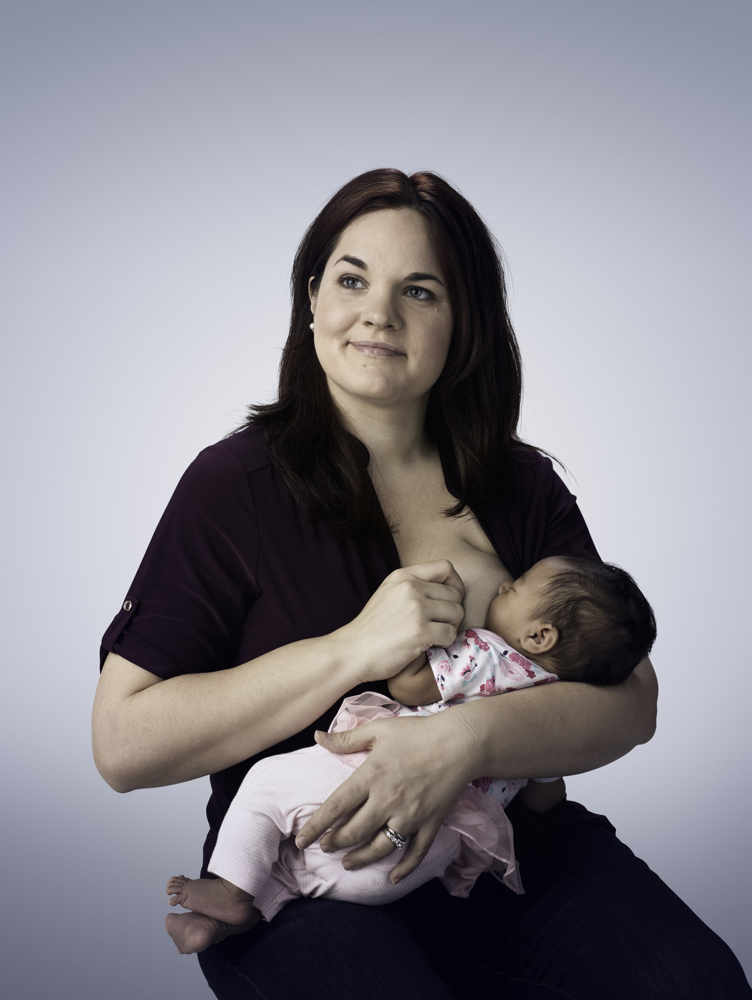
WIC mothers receive nutrition counseling and food benefits (USDA photo). Women who are pregnant, recently gave birth, or have a child under 5 can get WIC if low-incomemyfamily.wic.ca.govilrc.org.
Enrollment requires proof of pregnancy/infant or child under 5, California residency, identity, and income (like a paystub). If you lack documents, WIC staff will still help you apply – not having a particular form won’t stop you from getting benefits if otherwise eligible. (And WIC does not count against any future immigration applications.)
Food Pantries & Grocery Distributions. The LA Regional Food Bank partners with 600+ food pantries and grocery programs. Anyone facing food insecurity can use these – they generally have no income test or documentation requirements. Many churches, community centers and nonprofits simply ask you to sign in or show proof of address (to ensure local service), but no one is turned away for being undocumented or having no ID211la.org. For example, the Society of St. Vincent de Paul’s LA conference will do a home visit and give out thrift-store vouchers for free clothes or furniture, with “no geographic restrictions” and “no fees”211la.org211la.org. Similarly, faith-based pantries often distribute canned and fresh foods every week. To find one near you, call 211 LA or use the LA Food Bank’s online Pantry Locatorlafoodbank.org.
Free Community Meals & Soup Kitchens. In LA County, soup kitchens and shelters run daily free meal programs – especially in Skid Row and at major missions. For instance, LA Mission and Union Rescue Mission serve hot breakfasts and dinners every day with no paperwork required. Outside downtown, churches and nonprofits host weekly meal nights (often listed on 211 LA’s Meal Distribution guide). All seniors and unhoused are welcome. (Note: public schools and Head Start programs now give free breakfast and lunch to all children , no application or proof needed.) These community meals ensure that anyone who is hungry can get a hot meal without red tape.
Volunteers serving lunch at a community soup kitchen (Harrisonburg, VA) – LA has many similar free meal programs. Soup kitchens are open to all; no IDs or sign-ups required211la.org.
Senior Nutrition Programs. Seniors (60+) have extra options. Homebound elders can get free home-delivered meals through LA County’s Elderly Nutrition Program, no income test, just need to be 60+ and unable to cookcommons.wikimedia.org. (Call 1-800-510-2020 to apply.) Community senior centers and park-based dining programs also serve group lunches (often free or with a small donation requested). Low-income seniors can also get CalFresh (SNAP) – California allows SSI recipients and other elders on fixed incomes to participateehsd.orgcdss.ca.gov. In fact, seniors can deduct high medical costs to qualify more easily. And both SNAP and WIC benefits (as well as school meals) are explicitly not considered against anyone in immigration or public charge rulescdss.ca.govilrc.org. Finally, seniors can pick up Farmers’ Market Vouchers ($50/year) for fresh produce through programs like SFMNP (contact LA Food Bank or senior centers in summer)
Clothing Assistance Programs
Low-income Angelenos can find free clothing through several charity programs. Most clothing aid is distributed by nonprofits, thrift-store voucher programs, and church closets. Key programs include: Support includes free clothing for job seekers and fee clothing for homeless.
NCJW|LA Clothing Assistance. The National Council of Jewish Women (LA) gives gift card vouchers for free clothes and shoes at its thrift shops. To qualify, you must show economic need – for example, enrollment in Medi-Cal, CalFresh, SSI/Disability, or household income below HUD’s low-income limitsncjwla.org. Each person in the family gets one voucher per year (about $50 for adults, $30 for young children)ncjwla.org. (NCJW issues a limited number of cards each month on a first-come basis.) You apply online or via a social service referral. No one is refused assistance for lack of formal documentation; showing an EBT card or benefit letter is enough proof of needncjwla.org.
Society of St. Vincent de Paul (SVdP). SVdP runs thrift stores in LA County. Through local conferences (often based in Catholic parishes), volunteers will conduct home visits and issue free clothing vouchers to needy families. There are no strict income guidelines or fees – eligibility is decided case-by-case by the volunteers. The SVdP site notes there are “no geographic restrictions” and “no fees” for basic assistance211la.org211la.org. You typically need a referral from a community agency or church, but walk-ins can also get directed to their nearest SVdP conference (call 888-552-7872). In practice, SVdP volunteers aim to help anyone struggling to afford clothes, furniture, or household items.
Community & Church Clothing Closets. Many local charities, schools, and churches operate clothing closets or “free stores”. For example, some churches open their donations room on Saturday mornings for anyone to take clothes. Rules vary – some may request an ID or proof of residence (to prevent non-locals from overusing the resource), but no one is turned away. Many sites explicitly say children and adults (including undocumented persons) are welcome with no ID required211la.org. The general practice is informal: you sign in, state your family size or need, and volunteers give you a set number of items (often 3–5 clothing pieces per person, plus occasionally shoes or coats). To find local closets or coat drives, try 211 LA or search online directories like findhelp.org.
Homeless Clothing Programs. Homeless shelters and outreach centers routinely give out clothing and blankets. For example, Union Rescue Mission and Los Angeles Mission each have clothing rooms for their residents and street clients (they may distribute a clean outfit and toiletries daily). Day drop-in centers (e.g. Downtown Women’s Center) also offer clothing. These emergency services do not require any paperwork or ID , staff know homelessness means people lack documents. If you visit a shelter or contact the LA Homeless Services Authority (LAHSA) hotline, they’ll connect you to immediate clothing aid (often winter jackets, socks, etc., during cold weather).
Specialty Drives. In emergencies (like a house fire), agencies such as the Red Cross may provide clothing vouchers or gift cards. For children in low-income schools, programs like Operation School Bell (Assistance League) supply new school clothes and shoes through school referrals – eligible kids simply get to “shop” for uniforms and casual wear. Career-outfit programs (Dress for Success for women, Clothes the Deal for men) offer free business attire to job seekers, usually by referral from a workforce or social service agency.
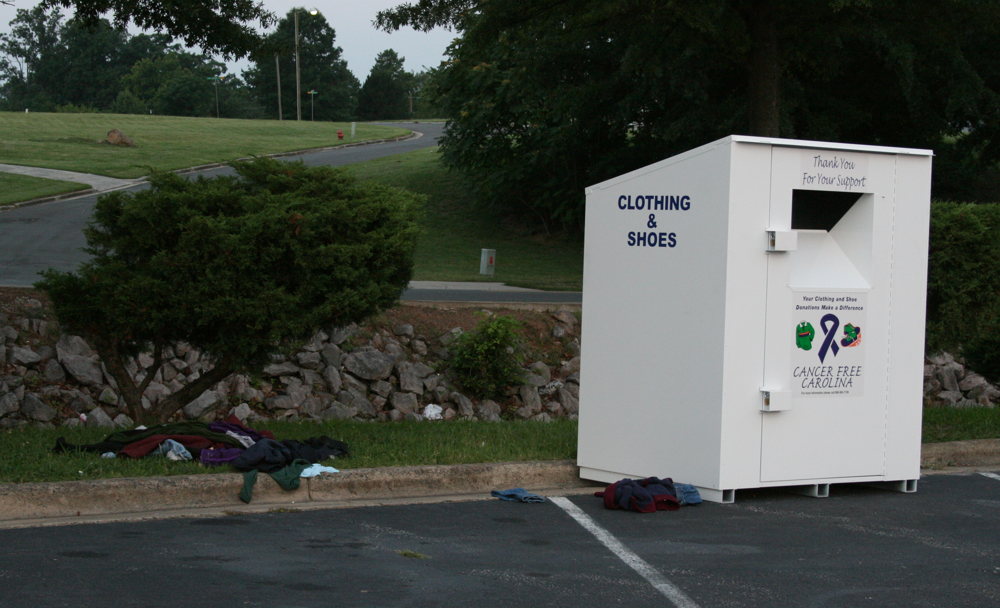
Drop boxes and thrift stores collect clothing donations for those in need. In LA, nonprofits and churches will give out free clothes to low-income families (often via thrift-store vouchers)ncjwla.org211la.org.
Free Food and Clothing in Los Angeles: Eligibility for Immigrants & Seniors
Some groups have unique eligibility rules or extra support:
Immigrants. Los Angeles agencies strive to serve all residents regardless of legal status. Most food pantries, meal programs, and clothing closets do not ask about immigration – they focus on hunger or poverty211la.org. Programs like WIC and free school meals are completely open to undocumented residentsilrc.org. (Using these benefits will not jeopardize any immigration application or count toward “public charge” rulescdss.ca.gov.) For SNAP/CalFresh, only certain immigrants qualify (e.g. green card holders). California does offer state-funded food benefits (CFAP) to some legal immigrants who are otherwise excluded, and as of Oct 2025 will cover all immigrants age 55+ilrc.org. Crucially, undocumented parents can apply for CalFresh solely for their eligible kids – the children get benefits, and the parent’s status is confidentialilrc.orgcdss.ca.gov.
People Experiencing Homelessness. Homeless Angelenos can access nearly all the programs above with extra help. For example, when applying for CalFresh or General Relief (cash aid), applicants can give a shelter address and are not penalized for not having a homeehsd.org. Homeless clients are usually fast-tracked for emergency food benefits (CalFresh in 3 days)ehsd.org. They also qualify for the Restaurant Meals Program, allowing use of EBT at many inexpensive restaurants (useful if you have no cooking facilities)ehsd.org. Every day of the week, there are free meals available on the street and at shelters – volunteers understand that the unhoused often need not just food but also clothing and hygiene. Outreach teams may hand out socks and T-shirts directly. You never need ID to receive homeless services; simply go to a shelter or call LAHSA/211 to find today’s free meal or clothing giveaway.
Seniors. Those 60+ often have extra resources and simplified rules. The county’s home-delivered and congregate meal programs for seniors have no income requirement – just age and needcommons.wikimedia.org. Seniors also have higher CalFresh deductions: for instance, big medical or housing costs can be subtracted from income when computing eligibilityehsd.org. (And California allows SSI recipients to get CalFresh, which was not always the case.) In addition, seniors automatically get a small discount on utilities and free transit passes, which helps free up money for food and clothes. For clothing, any of the general programs listed above will serve seniors with no special paperwork. (Some senior centers also hold occasional “free giveaway” events for clothes or blankets.) In short: if you are an elderly Angeleno on a tight budget, don’t hesitate to use all available food and clothing supports – you likely qualify and it can significantly improve your quality of life.
California Air National Guard delivering holiday gifts (Meals on Wheels packages) to seniors. Home-delivered meals and gift deliveries are part of LA’s senior support. Seniors (60+) qualify easily for special meal programs and SNAP benefitsehsd.orgcommons.wikimedia.org.
About LACA
At Los Angeles Community Alliance (LACA), we are committed to bridging the gap between need and access. Through our free food and clothing programs in Los Angeles, we support individuals and families facing hardship—whether they are immigrants, job seekers, unhoused, or seniors. By partnering with local food pantries, clothing closets, and service organizations, we provide direct assistance and guide our community toward long-term stability. LACA believes that everyone deserves dignity and support, and we’re here to help every step of the way, If you or someone you know needs support, LACA is here to help you find food, clothing, and community-based care that uplifts and respects your dignity.
Need Food or Clothing Support?
You can now register online for our weekly food and clothing distribution events
Frequently Asked Questions (FAQ)
What are the income limits for food and clothing assistance in Los Angeles?
Most programs follow Federal Poverty Level (FPL) guidelines. For example, CalFresh allows up to ~200% FPL (about $2,610/month for 1 person), while WIC uses 185% FPL. Food pantries and many charity programs do not enforce strict income cutoffs and serve anyone who is food insecure.
Do I need ID or documents to get help?
For government programs like CalFresh or WIC, you typically need ID and proof of income or benefits. However, most emergency services—like food pantries or soup kitchens, do not require documentation. In Los Angeles, lack of ID or a permanent address is rarely a barrier to accessing food or clothing.
Will getting assistance affect my immigration status?
A No. Using free food or clothing assistance will not harm your immigration status. Programs like WIC and school meals have no immigration restrictions. While CalFresh has specific eligibility rules, undocumented parents can apply on behalf of their children. All personal information remains confidential.
Do I need to live in Los Angeles to qualify for these programs?
Yes, most services require you to live in Los Angeles County or California. But there is no waiting period, new residents, unhoused individuals, and recent arrivals can qualify immediately. A shelter or caseworker’s address is often accepted.
Are there special programs for seniors or unhoused individuals?
Yes. Seniors may qualify for programs like Meals on Wheels or Farmers’ Market vouchers. Unhoused individuals can receive expedited benefits through waivers, such as no fixed address, access to the Restaurant Meals Program (RMP), and relaxed documentation rules.
What can LACA do for me if I need help with food or clothing?
Los Angeles Community Alliance (LACA) provides free grocery and clothing distributions to residents in need. You can sign up through our website and receive notifications about events. LACA also offers job support, resume help, and connects you to local aid resources to support your long term success.